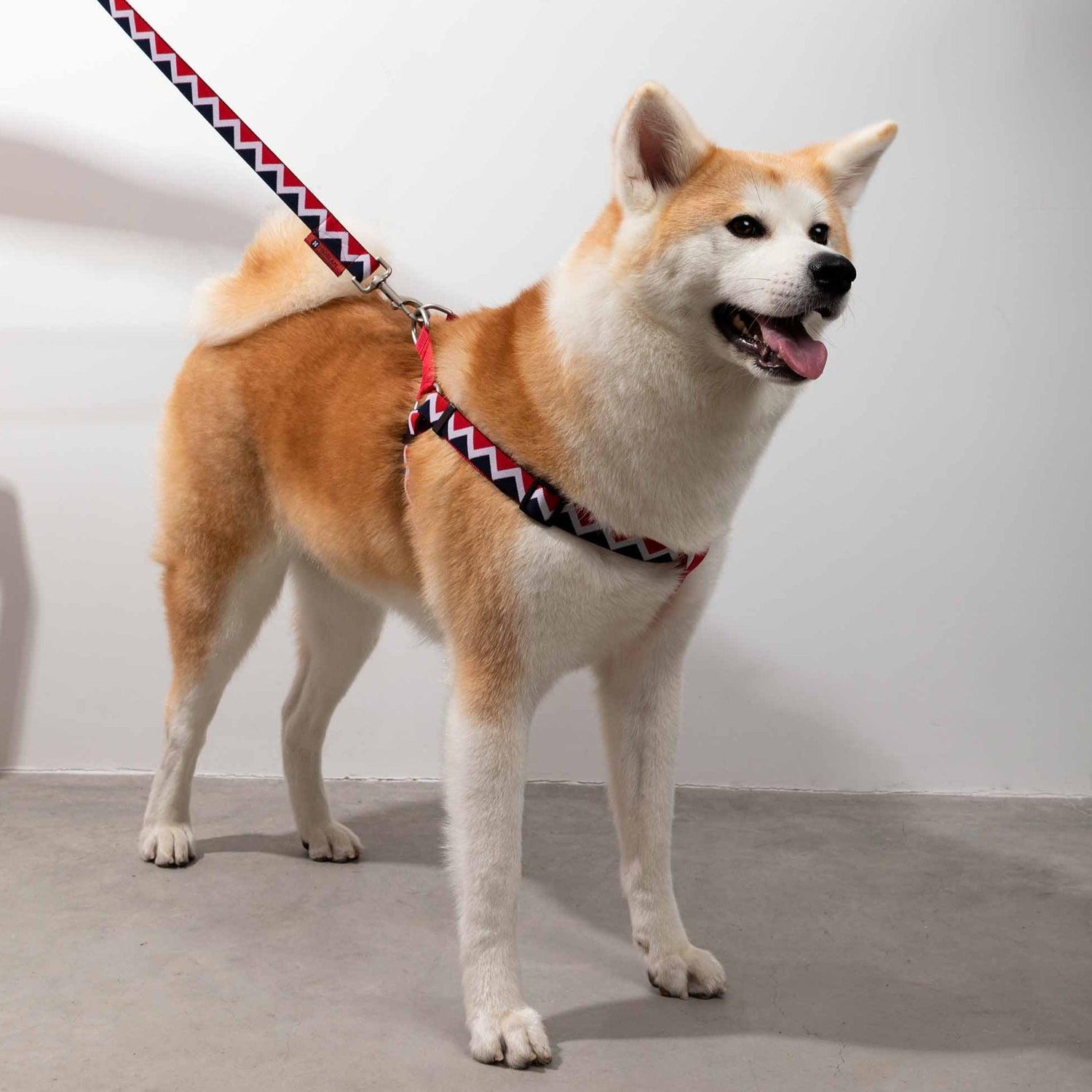
Senior Dog Mobility Issues: 7 Vet-Approved Ways to Help Your Dog Move Freely
Navigating Senior Dog Mobility Issues: A Comprehensive Guide to Support & Care
Watch the video summary👇
📋 Quick Takeaways
- 80% of dogs over 8 have some form of arthritis (American Kennel Club)
- Watch for subtle signs: hesitation before jumping, stiffness after rest, reluctance to climb stairs
- Non-slip surfaces + orthopedic bed = immediate comfort improvements
- Support slings and harnesses help dogs who can still walk but need assistance with specific movements
- Always consult your vet before starting any new exercise or treatment program
Watching your once-energetic companion start to slow down is heartbreaking. That brief pause before jumping. The stiffness after a long nap. These are quiet signals of discomfort that every caring owner learns to recognize.
We still remember when our Golden Retriever, Max, first hesitated before leaping onto the couch. It was small, barely noticeable. But it marked the beginning of his changing world.
That's when we discovered that simple changes—like using a supportive pet sling for car rides and adding non-slip rugs throughout our home—could transform Max's daily experience. These weren't magic solutions, but they gave him back his confidence.
That moment fills you with worry. "What's wrong with my dog? How can I help?"
Mobility changes are natural as dogs age. The encouraging news? There are many ways to manage senior dog mobility issues. You can greatly improve your dog's comfort and happiness.
This guide will help you navigate this journey. We'll show you how to spot early warning signs and understand common causes. You'll learn practical home solutions and how to choose the right support tools. We'll also cover maintaining your dog's mental health throughout this process. Remember, you're not facing this alone.
Recognizing First Clues
Dogs excel at hiding pain. This instinct comes from their wild ancestors. Showing weakness could have made them vulnerable.
We can't wait for obvious limping or crying. Instead, we must watch for subtle changes in daily habits and movement patterns.
Spotting these early signs helps you get help sooner. Here's what to look for.
Behavioral Changes
- Reluctance to play favorite games, walk, or use stairs
- Difficulty or slowness getting up from lying or sitting
- Hesitation before jumping onto furniture or into cars
- Mood changes like increased irritability, anxiety, or withdrawal
- Excessive licking or chewing of specific joints as self-comfort
Physical Changes
- Visible stiffness or awkward walking, especially after rest
- "Bunny hopping" where back legs move together
- Muscle loss, called atrophy, often in the hind legs
- Slipping on smooth floors like hardwood or tile
- Unsteady walking or swaying side to side
- Nail scuffing sounds or uneven nail wear patterns
Understanding the Causes
Recognizing symptoms is step one. Understanding the reasons requires professional help from your veterinarian.
Trying to diagnose your dog yourself is dangerous. Many conditions look similar. Only a professional can identify the real cause and create a safe treatment plan.
A vet visit is essential. It provides accurate diagnosis, pain management options, and peace of mind.
Here are common causes of mobility loss in senior dogs.
💡 What is Osteoarthritis (OA)? A degenerative joint disease where protective cartilage wears down over time, causing pain, stiffness, and reduced mobility. It's the leading cause of mobility issues in senior dogs, affecting up to 80% of dogs over 8 years old according to the American Kennel Club.
Hip and Elbow Dysplasia are genetic conditions where joints don't fit together properly. This poor fit causes instability, pain, and eventual arthritis.
💡 What is Intervertebral Disc Disease (IVDD)? A spinal condition where cushioning discs between vertebrae bulge or rupture, pressing on the spinal cord. This causes pain, nerve damage, and sometimes paralysis. Long-backed breeds like Dachshunds are especially prone.
💡 What is Degenerative Myelopathy (DM)? A progressive disease affecting the spinal cord, typically starting with hind leg weakness and wobbling, then gradually worsening. Common in breeds like German Shepherds, Boxers, and Corgis.
Other factors matter too. Extra weight strains aging joints and speeds deterioration. Old injuries can resurface as chronic pain. Neurological conditions affect coordination and strength.
Your vet is your most important partner in managing senior dog mobility issues. They'll examine your dog, possibly recommend X-rays, and create a comprehensive comfort plan.
Creating a Safe Haven
Making your home safer and more comfortable is powerful. These changes don't need to be expensive or complex.
Think of building a senior-dog sanctuary. Small adjustments can dramatically improve daily confidence and comfort while preventing falls and strain.
Improve Traction
Slippery floors are dangerous for aging dogs. When they feel unstable, they become anxious and hesitant to move.
Place non-slip rugs, carpet runners, or yoga mats in busy areas. Focus on paths to food, water, and beds. This gives their paws grip.
Try dog grip socks or paw balm. These products add traction and prevent paws from sliding.
Make Resting Easier
A quality bed isn't luxury—it's necessary for dogs with joint pain.
Buy a supportive, orthopedic dog bed. Memory foam works best because it cushions joints and distributes weight evenly.
Put their bed somewhere quiet, warm, and draft-free. Make sure it's easily accessible without obstacles.
Rethink Ramps and Stairs
Stairs and high jumps become major challenges for dogs with limited mobility.
Use a sturdy, non-slip ramp for car access or short outdoor stairs. This protects their joints and your back.
Block dangerous indoor staircases with baby gates to prevent falls, especially at night.
Elevate Food and Water
Bending down to eat or drink strains a senior dog's neck and shoulders.
Raised food and water bowls make mealtimes comfortable. This simple change allows natural, neutral eating posture.
The Support Toolkit
Sometimes home changes aren't enough. The right mobility aid can restore freedom and joy you thought was gone forever.
The product world can feel overwhelming. Understanding each aid's purpose helps you find the best mobility aids for senior dogs.
Mobility Aid Comparison: Which Is Right for Your Dog?
| Mobility Aid | Best For | Mobility Level | Ease of Use | Price Range |
|---|---|---|---|---|
| Slings & Harnesses | Temporary support, car entry, stairs, quick lifts | Can still walk with some weakness | ⭐⭐⭐⭐⭐ Very Easy | $25-80 |
| Dog Wheelchairs | Paralysis, severe hind leg weakness, advanced DM | Little to no hind leg function | ⭐⭐⭐ Moderate (adjustment period) | $150-500+ |
| Joint Braces | Specific joint support, ligament injuries, localized arthritis | Can walk but has joint instability | ⭐⭐⭐ Requires vet guidance | $50-300 |
| Pet Strollers | Outdoor adventures, mental stimulation, rest during walks | Limited endurance or needs rest breaks | ⭐⭐⭐⭐ Easy | $60-200 |
Slings and Harnesses
These are often the first support tools owners choose, and for good reason. They're versatile and highly effective.
Support slings or lift harnesses work best for dogs who still have leg strength but need help with specific movements. This includes getting up from floors, climbing stairs, or stabilizing during bathroom breaks.
They let you take weight off your dog's hips or shoulders. This provides needed support and confidence. The first time you use a sling to help your dog into the car without painful struggle brings immense relief for both of you.
For dogs needing quick lifts and hands-free support, the PetzyMart™ ComfyPaws Sling is designed specifically for senior dogs up to 20 lbs. Its breathable cotton construction and adjustable design make it ideal for short trips, stair navigation, or keeping your companion close during outdoor adventures.
Dog Wheelchairs
For dogs with significant hind leg weakness or paralysis, wheelchairs can restore active life. This isn't giving up—it's giving them back their world.
Wheelchairs work best for dogs with advanced Degenerative Myelopathy (DM) or severe IVDD. They support the rear end, allowing movement using front leg strength.
Options include rear-support, front-support, and full quad-support models. Custom fitting is absolutely critical for comfort and effectiveness. Many dogs adapt to wheels amazingly quickly, though expect an adjustment period.
Splints and Braces
Like human versions, these provide targeted support for specific weak joints.
They work best for stabilizing weak wrist or ankle joints from arthritis, ligament sprains, or nerve damage.
Braces prevent joints from overextending, providing stability and reducing walk pain. However, use these only under veterinary guidance. Improper use can cause muscle loss and other problems. Always consult your vet about the right brace type and wearing schedule.
Movement is Medicine
When dogs hurt, we instinctively want them to rest completely. But often, lack of movement worsens stiffness and muscle loss.
The secret is safe, appropriate exercise. Always consult your vet before starting or changing exercise routines for dogs with mobility issues. They'll determine what's safe and beneficial for your dog's specific condition.
Focus on low-impact activities that build strength without stressing joints.
Gentle, leashed walks are excellent. Several short, slow walks on soft surfaces like grass beat one long, hard pavement walk. Let your dog set the pace. For dogs who tire easily, consider alternating between walking and resting in a hands-free pet sling—this way they can still enjoy the outing without overexertion.
Swimming or hydrotherapy is the gold standard for canine physical therapy. Water buoyancy supports body weight, allowing full range motion without impact or pain. This beautifully builds muscle and improves flexibility. Look for local canine hydrotherapy centers.
Passive range-of-motion (PROM) exercises can be done at home. We learned this with our old dog, and it became special bonding time.
While your dog lies comfortably on their side, gently hold one leg. Slowly and smoothly bend and straighten it, moving knee and hip joints through natural motion. Never force movement or push past resistance. This simple exercise keeps joints lubricated and flexible.
Your vet may refer you to a certified canine rehabilitation professional. Learn more from organizations like the American Association of Rehabilitation Veterinarians (AARV), part of the American Veterinary Medical Association (AVMA).
Beyond the Body
When a dog's physical world shrinks, their mental world needs expansion. Dogs who can no longer run and play easily become bored, depressed, and anxious.
Mental enrichment is as important as physical support. It keeps minds sharp and engaged, providing crucial outlets for energy and intelligence.
Nose work games are perfect for mobility-limited dogs. Hide strong-smelling treats in "snuffle mats" or scatter them in grass or around rooms. This encourages powerful scent use, which is highly stimulating and requires minimal movement.
Food-dispensing puzzle toys are another fantastic option. They work while your dog lies down, challenging them to figure out rewards. Start with easy puzzles and gradually increase difficulty.
Play simple "find it" games. Have your dog stay while you hide a favorite toy nearby, then release them with "find it!" Keep hiding spots easy initially.
Gentle training sessions are mental exercise too. Practice known commands or teach new ones requiring little physical effort, like "touch" (nose to hand) or "watch me."
Don't underestimate new scenery's power. If able, wagon or pet stroller rides give pace changes and new smells. A comfortable pet sling carrier can also bring your senior dog along for errands or outdoor café visits—keeping them part of daily life even when walking distances isn't possible. Even opening windows or porch sitting brings the outside world to them.
The Owner's Journey
This journey isn't just about your dog—it's about you too. Caring for aging pets can be emotionally draining, filled with worry, stress, and anticipatory grief. These feelings are normal.
We encourage focusing on what your dog can still enjoy rather than what they've lost. Celebrate small victories—tail wags when you get the leash, content sleeping sighs, the way they still lean into your touch.
Establish a "new normal." Create routines fitting your dog's current abilities. Maybe long hikes become short, sniff-filled neighborhood strolls followed by puzzle toys on orthopedic beds.
You're not alone. Seek support from online communities or social media groups for senior or special needs dog owners. Sharing stories and advice with understanding people can be incredibly validating and helpful.
Most importantly, practice self-care. You can't pour from an empty cup. Feeling sad or overwhelmed is okay. Taking care of your mental and emotional health is essential to being the best caregiver for your beloved friend.
Embracing Golden Years
Navigating senior dog mobility issues is a profound act of love. It's a journey from spotting first subtle changes to building complete support and comfort around your aging companion.
While mobility may decline, your bond strength and their quality of life don't have to. With a proactive veterinarian, safe home environment, right support tools, and focus on physical and mental well-being, you can manage this chapter confidently.
Your love, patience, and dedicated care are the greatest gifts you can give your dog as they walk through golden years by your side. You are their hero and safe place.
Ready to Support Your Senior Dog?
The ComfyPaws Pet Sling helps senior dogs stay close and comfortable during walks, errands, and everyday adventures. Breathable cotton, hands-free design, supports pets up to 20 lbs.
Shop ComfyPaws Sling →Frequently Asked Questions About Senior Dog Mobility
What are the first signs of mobility issues in senior dogs?
The earliest signs are often subtle: hesitation before jumping onto furniture or into cars, stiffness when getting up after rest, reluctance to climb stairs, and slower walking pace. You may also notice your dog licking or chewing specific joints, mood changes like increased irritability, or "bunny hopping" where the back legs move together. Because dogs instinctively hide pain, watching for these small behavioral changes is crucial for early intervention.
At what age do dogs typically develop mobility problems?
Most dogs begin showing mobility changes between ages 7-10, though this varies significantly by breed and size. Large breeds like German Shepherds and Labradors often show signs earlier (around age 6-7), while smaller breeds may not show issues until age 10-12. According to the American Kennel Club, up to 80% of dogs over 8 years old have some form of arthritis. Early preventive care and weight management can help delay onset.
What is the best bed for a senior dog with joint pain?
An orthopedic bed with memory foam is ideal for senior dogs with joint pain. Memory foam cushions pressure points, distributes weight evenly, and provides consistent support that springs or stuffing cannot match. Look for beds with removable, washable covers and low entry points so your dog doesn't have to climb in. Place the bed in a warm, draft-free location that's easily accessible from your dog's main living areas.
When should I use a dog sling vs. a wheelchair?
A sling or support harness is best for dogs who can still walk but need help with specific movements—like getting up, climbing stairs, getting into cars, or stabilizing during bathroom breaks. A wheelchair becomes necessary when a dog has significant hind leg weakness or paralysis and can no longer support their own weight. Many owners start with a sling for early-stage mobility issues and transition to a wheelchair if the condition progresses.
Can exercise help or hurt a dog with arthritis?
Appropriate exercise actually helps dogs with arthritis by maintaining muscle strength, keeping joints lubricated, and preventing stiffness. The key is low-impact activity: short, gentle walks on soft surfaces like grass, swimming or hydrotherapy, and passive range-of-motion exercises. Avoid high-impact activities like jumping, running on hard surfaces, or rough play. Always consult your veterinarian before starting any exercise program—they can recommend activities specific to your dog's condition.
How can I make my home safer for a senior dog with mobility issues?
Focus on these key areas: Add non-slip rugs or carpet runners on slippery floors, especially on paths to food, water, and beds. Use ramps instead of stairs for car access and elevated surfaces. Install baby gates to block dangerous staircases. Switch to raised food and water bowls to reduce neck strain. Provide an orthopedic bed in an accessible, draft-free location. Consider dog grip socks for extra traction on smooth floors. These simple changes can dramatically improve your senior dog's confidence and safety.
About PetzyMart: We're a team of dedicated pet parents who've personally navigated the journey of caring for senior dogs with mobility challenges. Our mission is to help pet owners extend quality time with their aging companions through practical solutions, expert-backed advice, and products designed with senior pet comfort in mind. This article was reviewed for accuracy with guidance from veterinary rehabilitation resources.