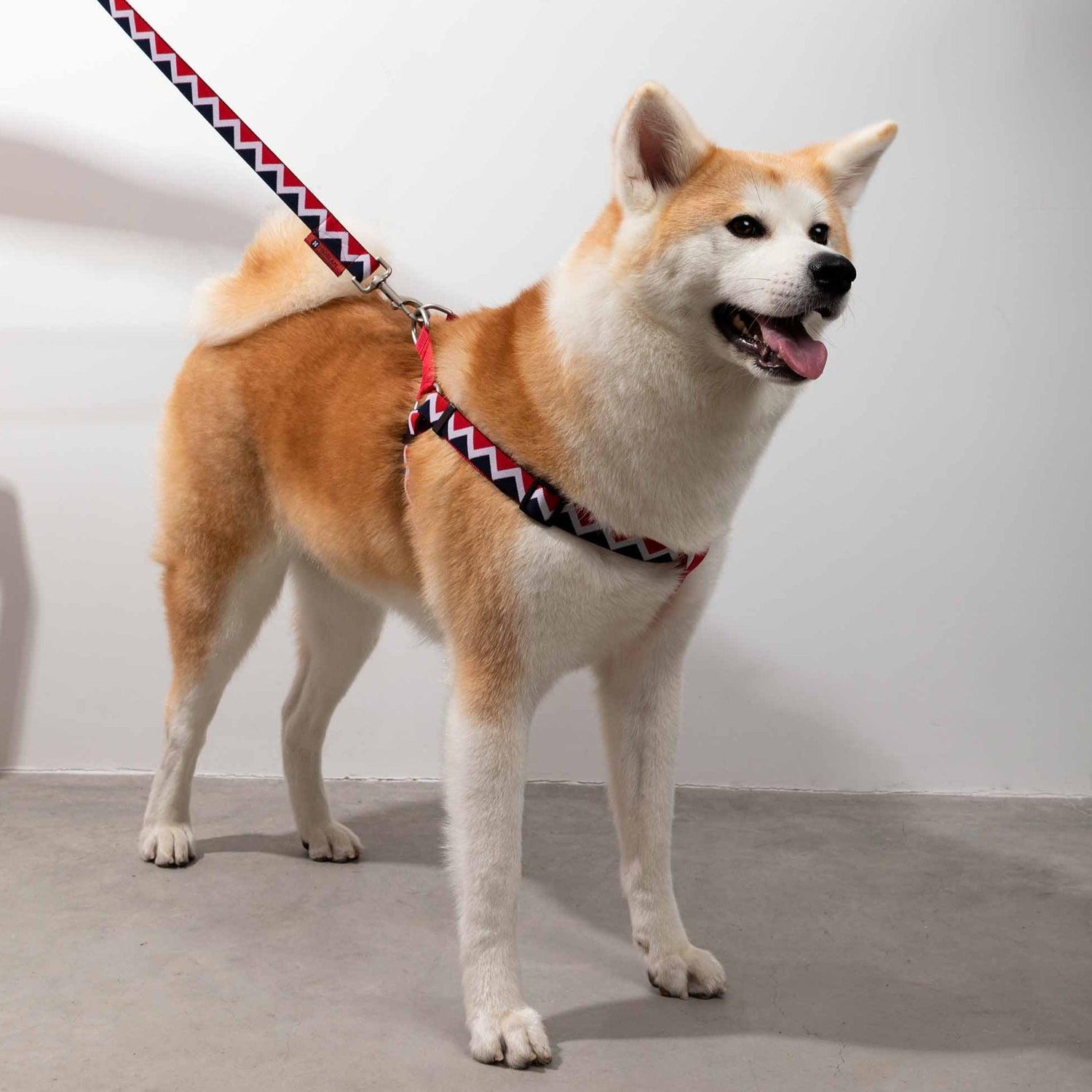
Old Dog Can't Walk Properly? 6 Causes & What Vets Actually Recommend
Key Takeaways
- Over 80% of dogs older than eight have some degree of arthritis (Source: AKC), making it the top cause of mobility issues.
- Simple home changes like adding non-slip runners and ramps can immediately prevent falls.
- A supportive carrier for senior dogs allows you to extend outings without stressing their joints.
- Weight management is critical; even slight weight loss can significantly improve walking ability.
- Always consult a vet to rule out neurological conditions like Degenerative Myelopathy.
Old Dog Having Problems Walking? Solutions for Senior Dog Mobility
Watching your faithful friend slow down and struggle with every step is heartbreaking. It's one of the toughest parts of loving a senior dog.
If you've noticed your old dog having problems walking, you're not alone. The good news? There's plenty you can do to help.
This guide gives you a complete roadmap. We'll cover everything from understanding what's causing the problem to making your home safer, exploring helpful products, and dealing with the emotional side of things.
Here's what you'll discover:
- Why dogs develop walking difficulties
- Simple home changes that boost safety and comfort
- A complete look at mobility aids and helpful products
- Vet treatments and therapies that work
- How to handle the emotions of caring for an aging pet
Understanding the Main Causes
Osteoarthritis: The Top Culprit
Osteoarthritis is the biggest reason dogs lose mobility as they age. It happens when the protective cartilage in joints breaks down over time. This leads to pain, swelling, and stiffness.
The early signs can be easy to miss. Watch for:
- Not wanting to jump, climb stairs, or get in the car
- Stiffness after lying down, especially wobbly back legs
- Licking or chewing at specific joints
- Walking slower or getting tired faster on walks
- Acting grumpy or yelping when you touch sore spots
This condition is extremely common. Research from sources like the American Kennel Club shows that over 80% of dogs older than eight have some degree of arthritis. So it's very likely a factor if your dog is struggling.
Other Important Conditions
Arthritis isn't the only cause of walking problems. Several other conditions can affect your dog's mobility.
Hip and elbow dysplasia are genetic problems with joint formation. They often get much worse with age, causing pain and making joints unstable.
Degenerative Myelopathy is a progressive disease of the spinal cord that causes gradual paralysis in the hind legs. It is painless but results in a wobbling walk and dragging of the rear feet.
Aside from DM and dysplasia, muscle weakness is a major issue. When moving hurts, dogs use their muscles less. This creates a harmful cycle where muscles shrink and weaken, making movement even harder.
Acute problems like slipped discs or other spinal injuries can cause sudden, severe walking difficulties. Sometimes these can even lead to paralysis.
Since these symptoms often overlap, seeing your vet is essential. They can give you the right diagnosis and create a treatment plan.
Making Your Home Safer
You can make simple changes at home that will dramatically improve your dog's safety and confidence.
Fix Your Flooring
Slippery floors are a senior dog's nightmare. Hardwood, tile, and laminate surfaces can cause painful falls and make dogs afraid to walk on them.
Creating non-slip pathways is crucial. Here's how different solutions compare:
| Solution | Pros | Cons | Best For |
|---|---|---|---|
| Runner Rugs & Yoga Mats | Cheap, easy to place and clean | Can slip without backing, may not cover all areas | Creating clear pathways in high-traffic zones. |
| Interlocking Foam Mats | Great cushioning, full coverage | Can be chewed, harder to clean deep spills | Playrooms or dedicated "senior zones." |
| Non-Slip Paw Grips/Socks | Dog can navigate any surface | Some dogs hate them, need regular replacement | Dogs who need traction everywhere, both indoors and out. |
Add Ramps and Better Beds
Getting on and off furniture becomes a major challenge for senior dogs. Ramps work better than stairs for dogs with joint pain because they provide a smoother path.
Pick a ramp with a gentle slope and good traction. Use it for access to the couch, bed, or car.
An orthopedic bed is a must-have. Look for supportive memory foam that cushions joints but stays firm enough to prevent sinking. A low-profile design makes it easier for your dog to get in and out without a painful high step.
Use Support Slings When Needed
Sometimes your dog just needs a little help. For quick trips outside or navigating a few stairs, a simple lifting aid can make all the difference.
For dogs with weak back ends, a support sling gives you a "handle" to gently lift their hips. A product like the PetzyMart™ ComfyPaws Sling is one of the most effective and simple aids available. Unlike complex harnesses, it provides a gentle mobility solution for quick lifts during potty breaks or getting into cars.
The Best Mobility Products
The world of mobility aids can feel overwhelming. The right product depends entirely on your dog's specific condition and needs.
Picking the Right Harness
Not all harnesses work the same way. Choosing correctly is critical for safe and effective support. These are some of the best products for old dogs with arthritis and mobility loss.
- Rear-Lift Slings and Harnesses: Perfect for dogs with weak hind legs from hip dysplasia, arthritis, or early-stage DM. They provide focused support under the hips and belly, letting you take weight off their rear end.
- Full-Body Lifting Harnesses: Best for dogs with moderate to severe weakness in both front and back legs, those recovering from surgery, or for navigating full flights of stairs. They spread weight evenly across the dog's chest and hips.
For smaller dogs who tire easily on walks but don't need a medical harness yet, a hands-free pet carrier is often the best choice. It allows them to rest against your body while you continue your walk, keeping them mentally stimulated without physical pain.
Should You Consider Dog Wheelchairs?
Absolutely. Many people think wheelchairs are a last resort, but that's not true. They're actually tools for restoring freedom.
Dog wheelchairs work wonderfully for dogs who've lost use of their hind legs but still have good front-leg strength. Most importantly, they need the desire to stay active.
They're especially life-changing for dogs in later stages of Degenerative Myelopathy. A wheelchair lets them run, play, and explore again. This provides crucial mental stimulation and prevents the depression that often comes with losing independence.
Vet Treatments and Therapy
Managing mobility issues requires teamwork between you and your veterinary professionals.
Pain Management Comes First
Controlling pain is the foundation of good care. Your vet can prescribe medications that are both safe and effective for your dog.
Non-Steroidal Anti-Inflammatory Drugs (NSAIDs) are commonly used. They reduce joint pain and inflammation from arthritis.
Never give your dog human pain medications like Ibuprofen or Aspirin without explicit direction from your vet. As experts at PetMD explain, many human drugs are toxic to dogs.
Physical Therapy Works Wonders
Medication helps with pain, but therapy helps rebuild strength.
Professional physiotherapy can be amazing. A certified canine rehabilitation therapist can design targeted, low-impact exercises. These help rebuild weak muscles and improve balance.
Hydrotherapy is one of the best exercises for senior dogs. This includes underwater treadmills or swimming. The water's buoyancy supports the body, allowing dogs to exercise and strengthen muscles with minimal impact on sore joints.
Nutrition and Supplements Matter
What your dog eats directly affects their joint health.
Weight management is most important. Keeping your dog at a healthy weight is the single most effective thing you can do. It reduces strain on joints. Every extra pound adds significant pressure.
Certain supplements can provide powerful support. These are often considered some of the best products for old dogs with arthritis:
- Glucosamine and Chondroitin Sulfate: These help build cartilage and may support joint structure.
- Omega-3 Fatty Acids (from fish oil): These have natural anti-inflammatory properties that can reduce joint swelling and pain.
- Green-Lipped Mussel: Another supplement known for potent anti-inflammatory effects.
Always discuss new supplements with your vet first. They'll make sure they're appropriate for your dog's specific health needs.
The Emotional Side
Caring for a senior dog with declining mobility is emotionally challenging.
Your Feelings Are Valid
It's okay to feel sad, anxious, or overwhelmed. You're not just managing a medical condition. You're watching a beloved family member change, and that's hard.
These feelings of anticipatory grief are completely normal. Acknowledging them is the first step toward managing caregiver stress. Be kind to yourself.
Focus on Quality of Life
It's easy to fixate on what your dog can no longer do. Instead, try focusing on what they can still enjoy.
Enrichment doesn't have to mean long hikes. It can be a gentle car ride with windows down, a comfortable bed in a sunny spot, a special puzzle toy, or a short "sniffari" walk. Let them explore smells at their own pace.
Celebrate the small joys and your special bond.
Knowing When to Say Goodbye
This is the hardest question any pet owner faces. There's no single right answer, but you don't have to decide alone.
Work with your vet to create a "Quality of Life Scale." This gives you objective criteria to assess your dog's situation. Resources like Ohio State University's veterinary program suggest monitoring several key factors:
- Pain: Is their pain well-managed with medication?
- Appetite: Are they still eating and drinking eagerly?
- Hygiene: Can they stay clean and comfortable without lying in waste?
- Happiness: Do they still show interest in favorite people, toys, or activities?
- Mobility: Can they get up to relieve themselves, even with your help?
When bad days consistently outnumber good ones, it may be time to consider euthanasia. When you can no longer manage their pain or maintain their dignity, this becomes an act of love.
Help Your Senior Dog Explore Comfortably
Is your old friend tiring out halfway through their favorite walk? A sling carrier lets them rest while still enjoying the fresh air with you.
Shop ComfyPaws Sling →Frequently Asked Questions
Q: Why are my old dog's back legs giving out?
A: The most common causes are osteoarthritis, hip dysplasia, or Degenerative Myelopathy. If your dog is dragging their back feet or wobbling, visit a vet immediately to rule out spinal issues or nerve damage.
Q: How can I help my senior dog walk down stairs safely?
A: Use a support harness or sling to hold their weight while they navigate steps. Alternatively, install a ramp for short flights of stairs or use baby gates to block dangerous staircases when you aren't there to help.
Q: Does walking help a dog with arthritis?
A: Yes, short and gentle walks are vital to keep joints lubricated and muscles strong. Avoid long, strenuous hikes; instead, opt for multiple 10-15 minute walks per day on soft surfaces like grass.
Q: What is the best natural pain relief for dogs?
A: Weight loss is the most effective natural pain reliever for joint issues. Supplements like Omega-3 fatty acids (fish oil) and Glucosamine/Chondroitin can also naturally reduce inflammation and support joint health.
Q: When should I start using a dog stroller or carrier?
A: Introduce a carrier when your dog starts lagging behind or sitting down during regular walks. This allows you to maintain your walking routine while giving them a "rest stop" whenever they get tired.
Conclusion
An old dog having problems walking is a serious challenge, but it's not hopeless.
You can make a real difference by understanding the cause, making smart home changes, using the right supportive products, and working closely with your vet. This approach helps manage their pain and improve their mobility.
You can ensure your senior companion continues living a happy, comfortable, and dignified life. Most importantly, a life filled with love.
Researchers and pet parents who compile guidance from authoritative sources — including the AVMA, ASPCA, Cornell Feline Health Center, and Fear Free Pets. We cite original research and veterinary organizations directly in each article so you can verify and explore further.